
New York state of mind - An essay by Isabella Carr
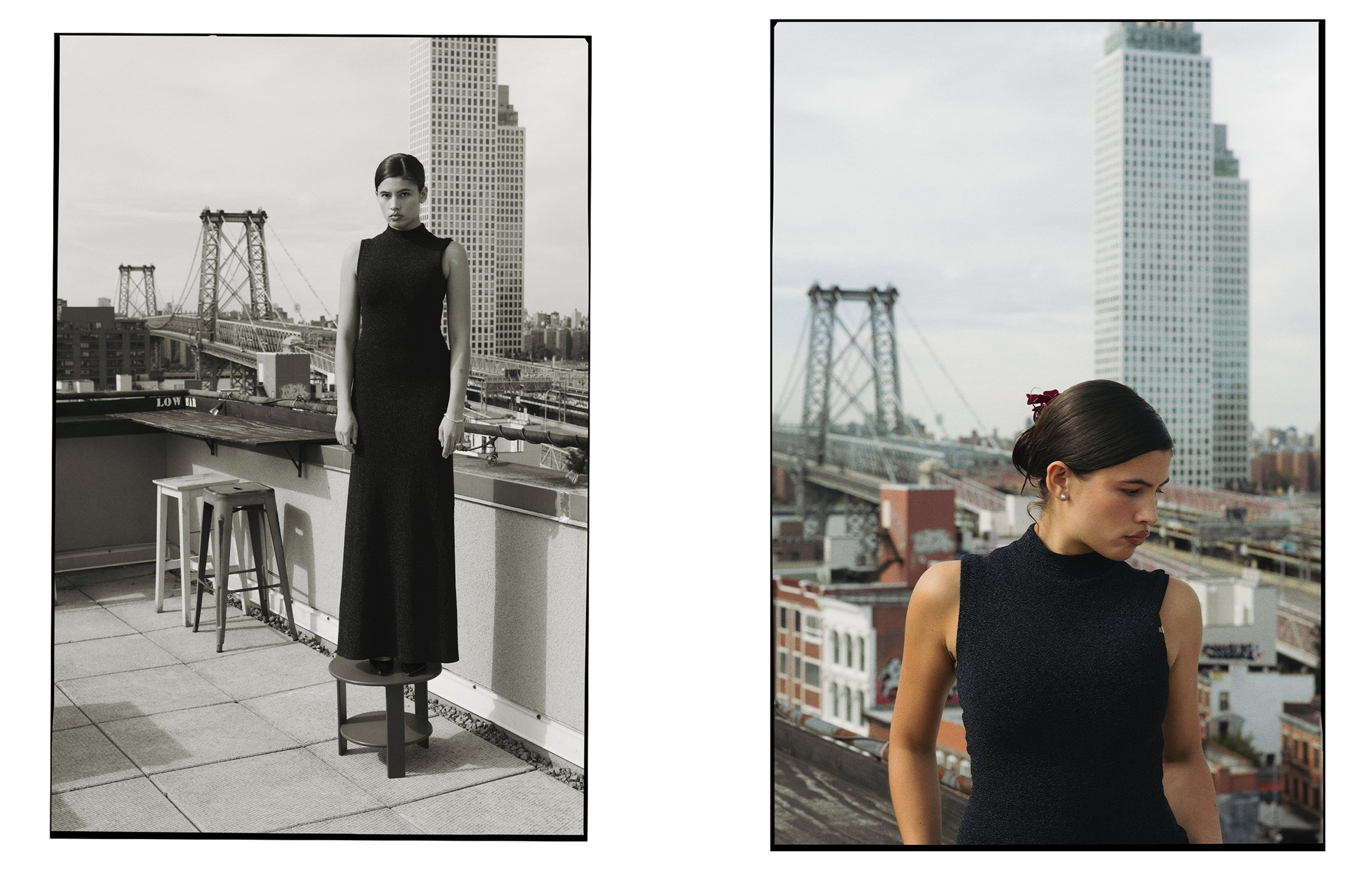
What came first, the chicken or the egg?
Isn’t that a question we all inevitably come to ask or ponder, at some point? I myself ask it in the form of: what emerged first, external influence or the creative mind? Is the thinker, artist, or activist born with the views and inclinations they possess, which then shape the world? Or rather, is it the world surrounding them that molds the mind toward these unique views and frameworks for perceiving. I’m not sure if this question can be answered in any definitive form; however, it is clear that there are differing manifestations of thought, creativity, and production, depending on the infrastructure that surrounds the individual. Architecture is not just a creation of the artistic mind, but also creates the artistic mind itself.
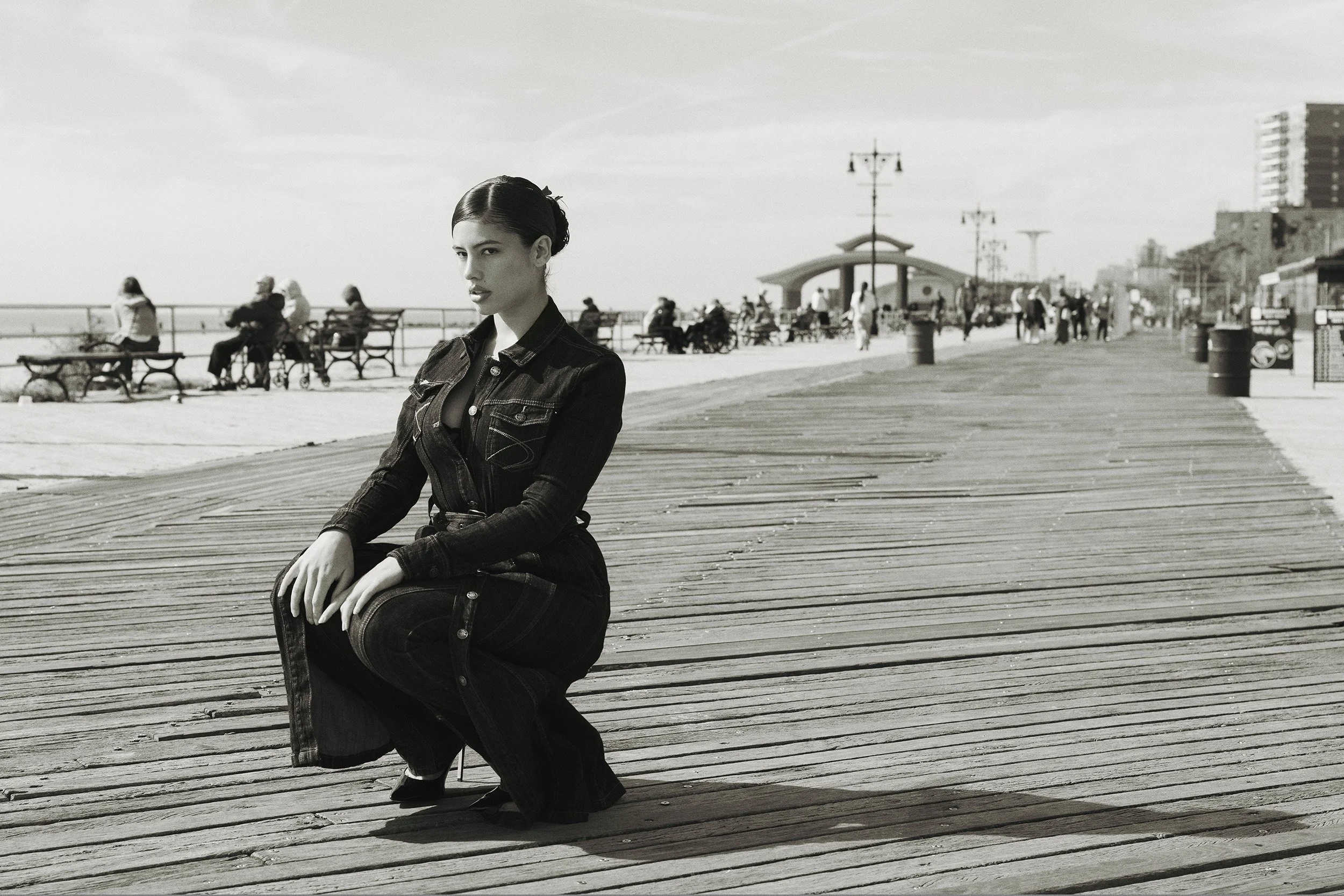
There exists a symbiotic relationship between the human and the external world around them– we are shaped by that which surrounds us, and we shape this exterior world in tandem. I was first confronted by these thoughts, when I left the confines of my own architectural world, on a trip to Paris many years ago. At the moment of first exposure, I was utterly struck by the beauty of the buildings, and the way in which the people both viewed and engaged with life. A subtle romanticism infused the city, from the warm amber street lights to the ornate details of mundane buildings, the infrastructure wasn’t simply function–it was art. More than that, a soundness of soul radiated off the relics of a world once known, a legacy rich and honored, encapsulated in the curve, shape, and preservation of the buildings. Walking down the Champ Elysees, around the Louvre, by St Germain, Le Marais, Passy, and in all the various side streets that sparkle with individuality, yet perfect unity, I felt myself penetrated by the aura of what surrounded me. My thoughts took on new shapes, and thus, my writing had a different tone than what I was producing in New York. I thought to myself: minds exposed and cultivated within such ornate, unified, classical artistry will be bound to develop into an alternate form than a mind nourished by the industrious, modern atmosphere of New York. This brief theory later evolved into my conviction that the architecture of a locality dictates, in part, the way one’s creativity, personality, and orientation toward life will develop.
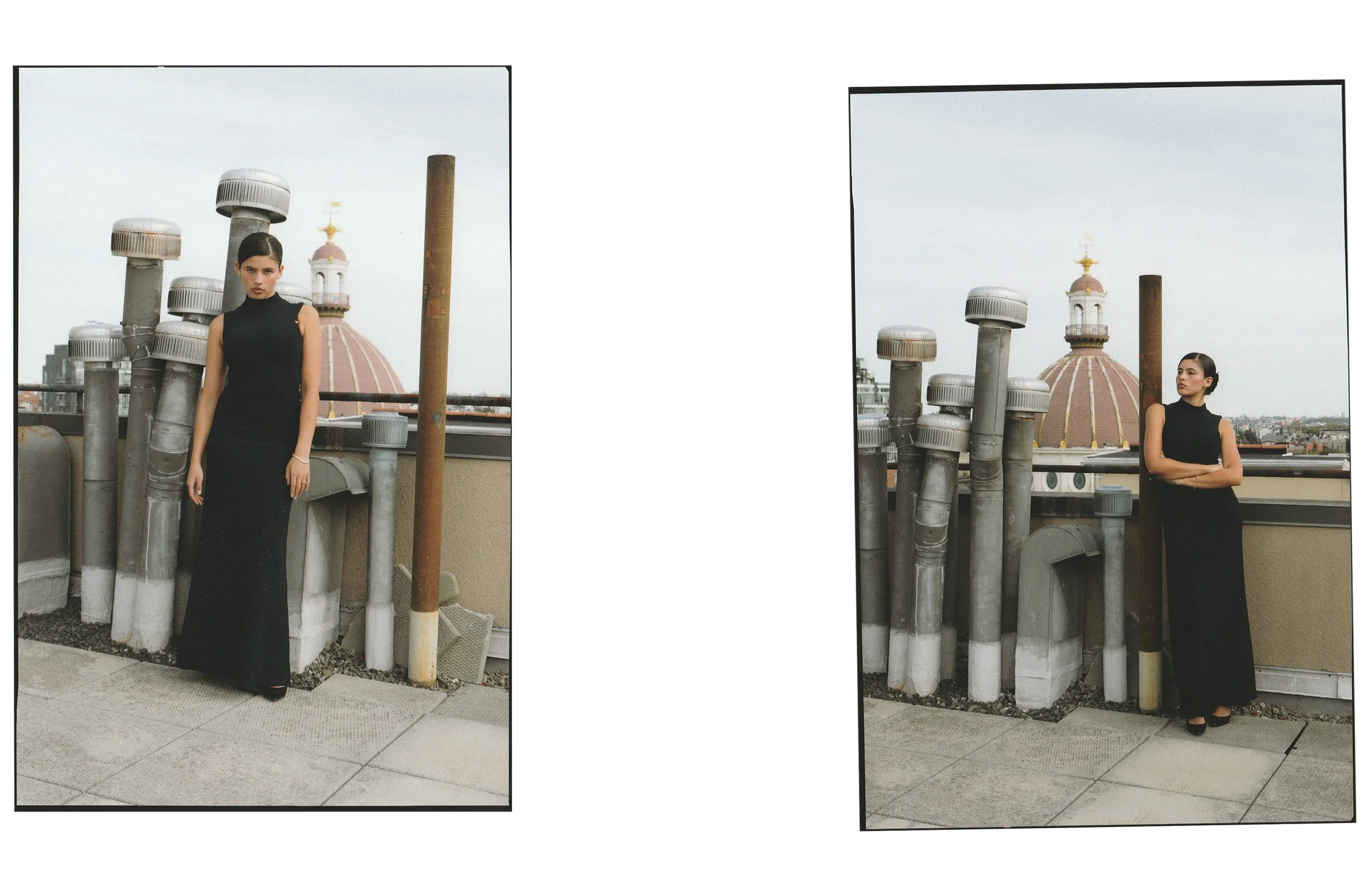
The mind thus becomes a mirror that reflects, in its thoughts, the world it faces. This has left me wondering: what is it that I reflect or embody? In New York City, the creative mind is left to mimic an ever evolving external infrastructure. What values, what principles are then the guiding force for this mind? What is it that they are reflecting, if the image is constantly shifting?
New York City is special in that it never ceases to mutate–it is not only the city that never sleeps, but the city that never stops developing. The city has been built upon since the 1800s, and in its non-stop attitude, has not ceased growth, adding on to the variety of styles, up until the present day. The result of this is an unimaginable diversity of architecture–styles ranging from early Georgian and Federal, seen with Gracie Mansion, Greek Revival and Gothic Revival, like the Woolworth Building, the grandeur of Beaux-Arts and Art Deco of the Brooklyn Museum and Grand Central Terminal, iconic Art Deco examples of the Chrysler and Empire State buildings, and the modern and postmodern styles of skyscrapers and glass towers seen with One World Trade Center, Hudson Yards, and the Gehry Building. This agglomeration of styles creates a skyline that reflects various historical periods and contemporary innovation. There is no cohesion, no stable image or reference, for the creative mind. Rather, it is faced with a new lesson, one of diversity, of constant innovation and of fusion. The lack of harmony, the discordant melody, the unity though difference, produces a new vision of beauty in the New York creative that is unique, in that, it is never fully formed or done evolving. This is one of the trademarks of the New York City creative, and it is reflective of the architectural ethos of this locality–that of non-conformity, fluidity, and diversity.
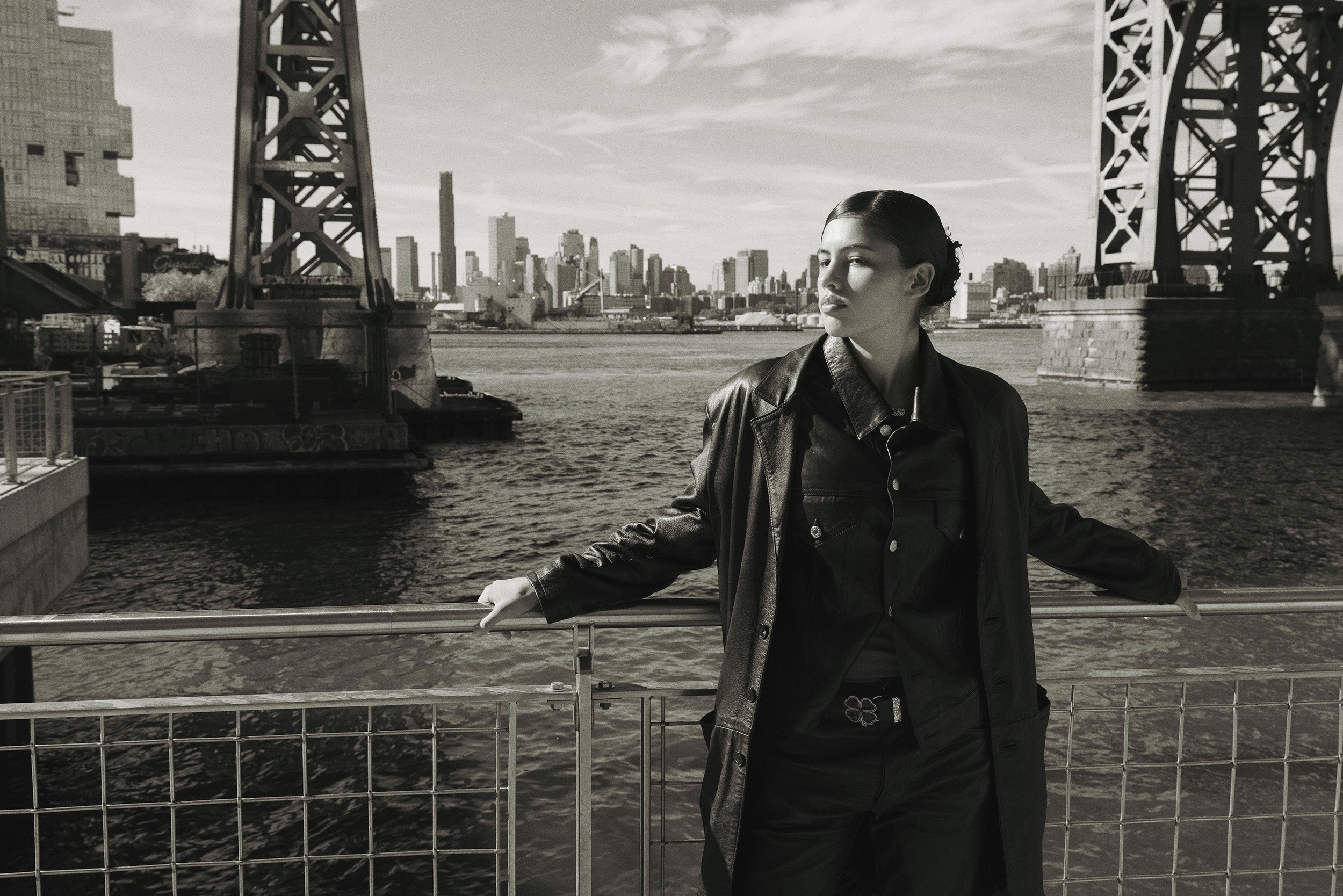
The second principle of the creative mind comes from a more micro element of New York architecture–the sheer lack of space and resources. A small portion of this great metropolis is allotted to each individual. The resource is scarce and comes at a high price tag. This leaves the average New Yorker with the bare minimum of space to construct, and live their life; so, forced to work with the little that they have, they become industrious. To live in such a state, you have to be crafty–have to think outside the box. Most of us are faced with the problem: How do I fit a life into a 500sq ft apartment, how do I survive with fifty dollars and a dream, how do I become the person I want to be with nothing, but the clothes on my back and the thoughts in my head? The New Yorker will develop a stratagem to figure it out, and thus, is born, the industrious creative.
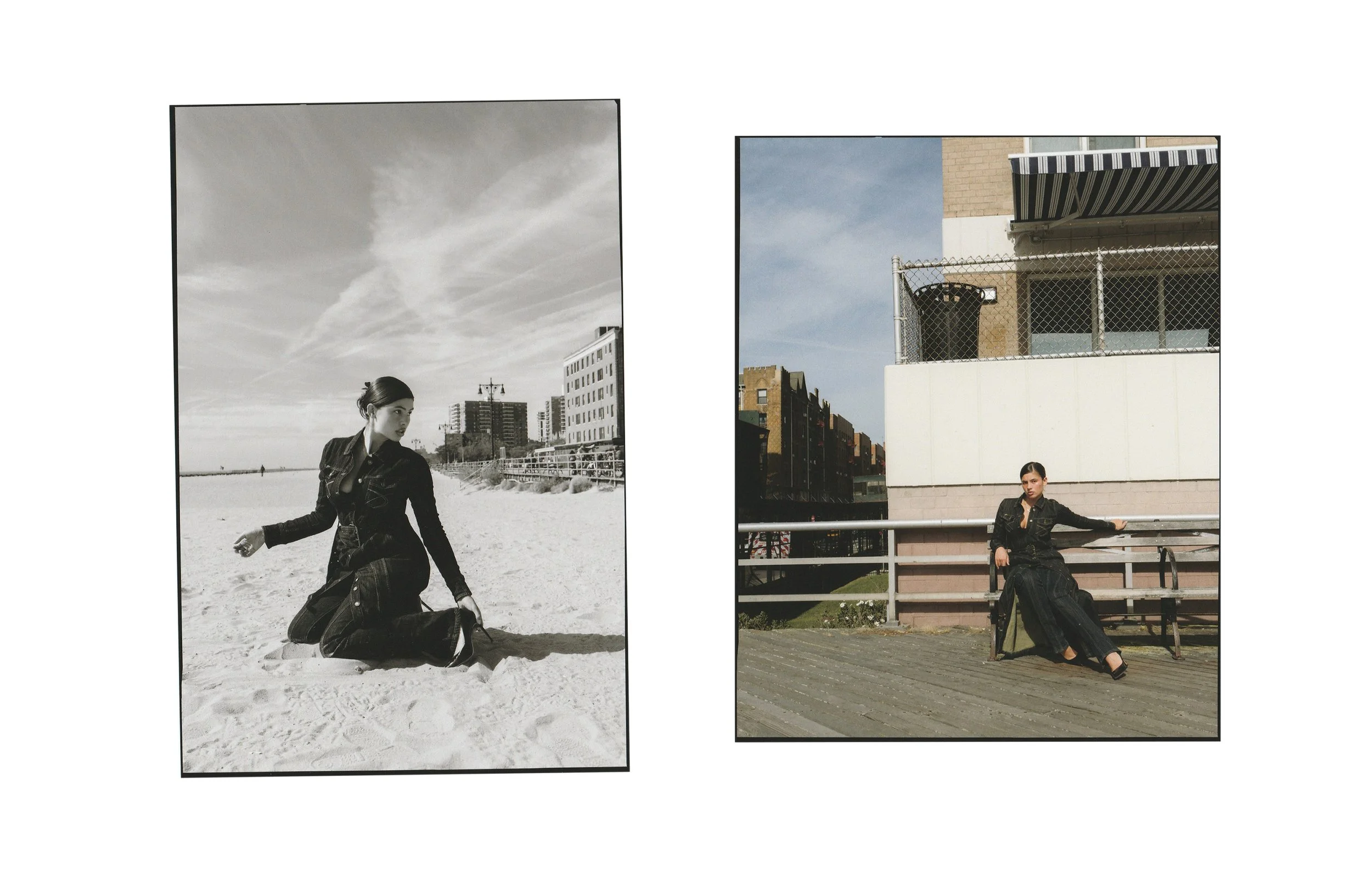
The physical scarcity of resources, especially physical space, produces a mind that is resourceful, resilient, and imaginative in a way that can only be born of urban necessity. The product is a space, an attitude, a material manifestation that outsiders find enthralling. Much of what we witness in New York, and what strikes the outsider as “cool,” is the way in which its functionality manifests physically. The cluttered streets, the squishing of various businesses into one storefront, the garbage cans glittering with branded stickers, the layering of cultural groups, the use of every crevice, even light poles and subway carts being vessels for graffiti strewn messages, this strange multilayered reality is a product of function. The diverse architectural and creative world we witness would not exist, in the form we know it to be, if the creative was not compelled to be pragmatic, industrial, and alternative in their methods.
Before I continue on, a note must be made on the culture of being outdoors. Due to the aforementioned limited space, within the interior architectural landscape, most individuals are forced to be outside. The culture, and the impact this has on the mind can’t be dismissed. From outdoor workouts, to sidewalk barbecues, or hanging out on unfinished rooftops, most inhabitants view the street and external space as an extension of their interior life. The result is that the New York mind is exposed, to a higher degree, to the world around them. It is not a culture of shutting oneself away, it is a life of presenting yourself to the world.
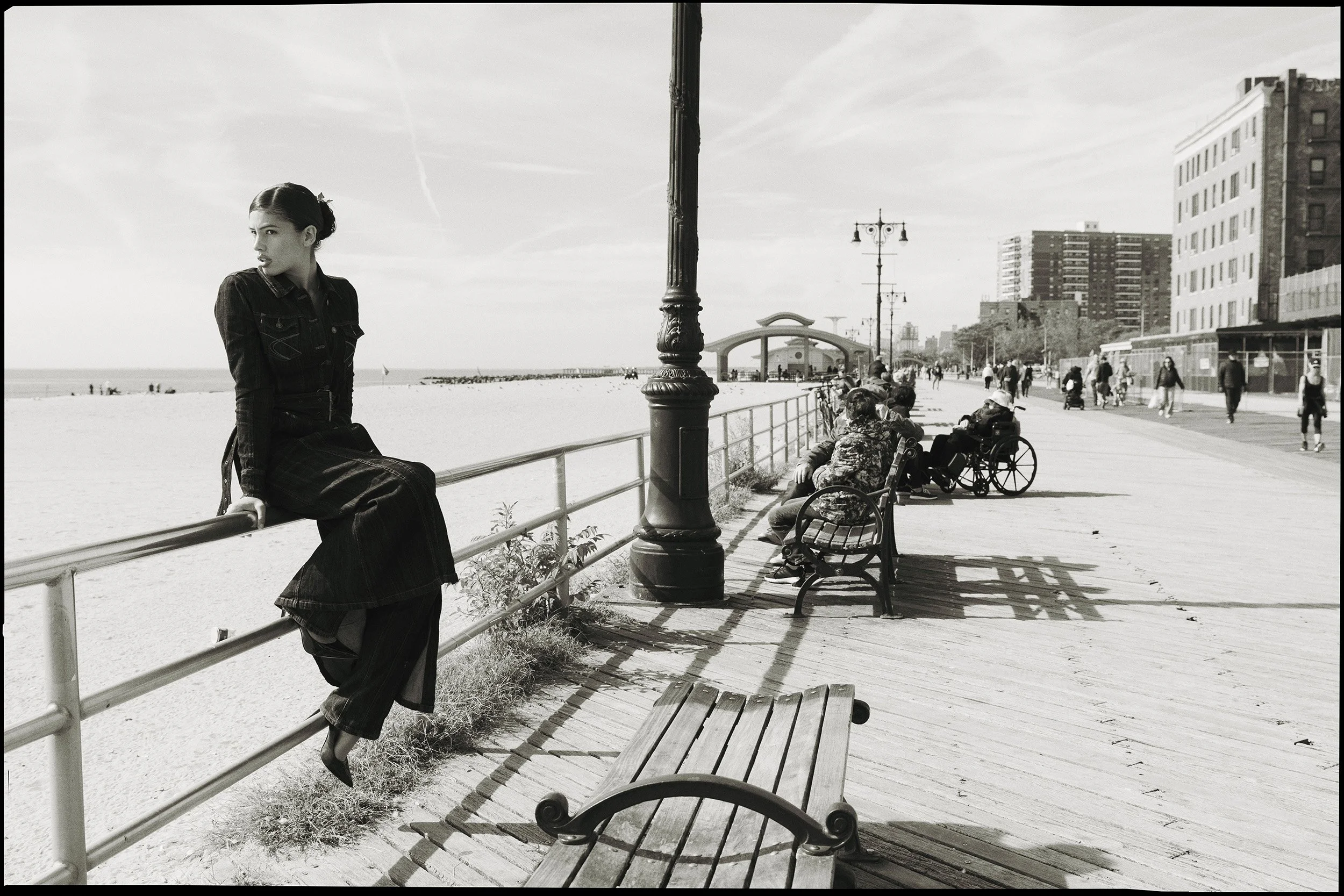
With this preponderance for embracing the city itself, there then emerges a disparity of what is seen versus what is often lived in New York. Walking through the light lined streets, your heart is filled with dreams: the soaring skyscrapers represent the heights of where you can reach, the luxury of store fronts, the world you could one day have. Even a gaze at the skyline makes you quiver at the sheer magnitude of man. What we see in New York is the ultimate overpowering of man as Creator over Nature. It leaves one with the thought: if Man could create such a divergent beauty, something that evokes nothing of what we find in the Natural world–then why can’t I, as well? And a seed is planted in the heart of the young New York creative, a knowledge that they too can accomplish the impossible. Even though the physical reality that the average individual must return to at the end of the day confronts the dreamer with a sober reality, New York promises a dream that is forged in fortitude and pragmatism that forsakes the physical reality around them, with the glittering echo of all those that created before them. The creative will never give up because they are part of this city that never stops, that finds growth in any form it can, and will always, no matter how dark it may look, shine bright for all the world to see.
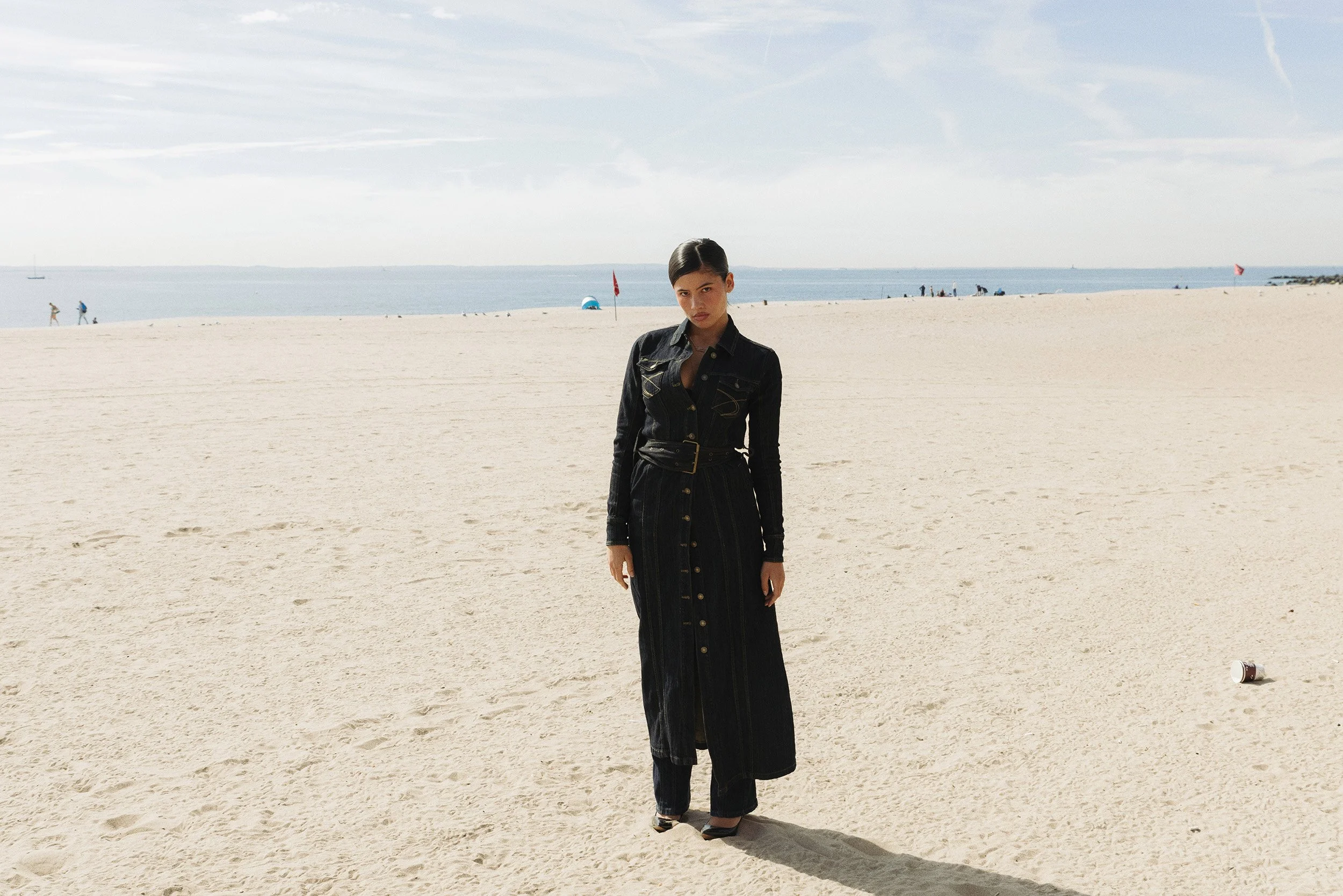
There is no calm, no relaxed romanticism in New York City creatives. Yes, maybe we have the heart of a romantic, but none of the behavior of one. What we have is an innovative resilient mindset–it is a grind, a tooth and nail approach to art. And due to this, there is a grit, an iron voracity, while also an inflamed passion, to the creation and creative that is uniquely cultivated in New York City, by and through the external world around us. This ferocity, this steel impenetrability that comes along with the New York heart and mind is unique, and, is in part, a result of the architecture of the city, on a large, and on a minor, intimate scale.
Credits
Text: Isabella Carr
Photographer: Timo Wagner
Creative Director: Mo Wagner
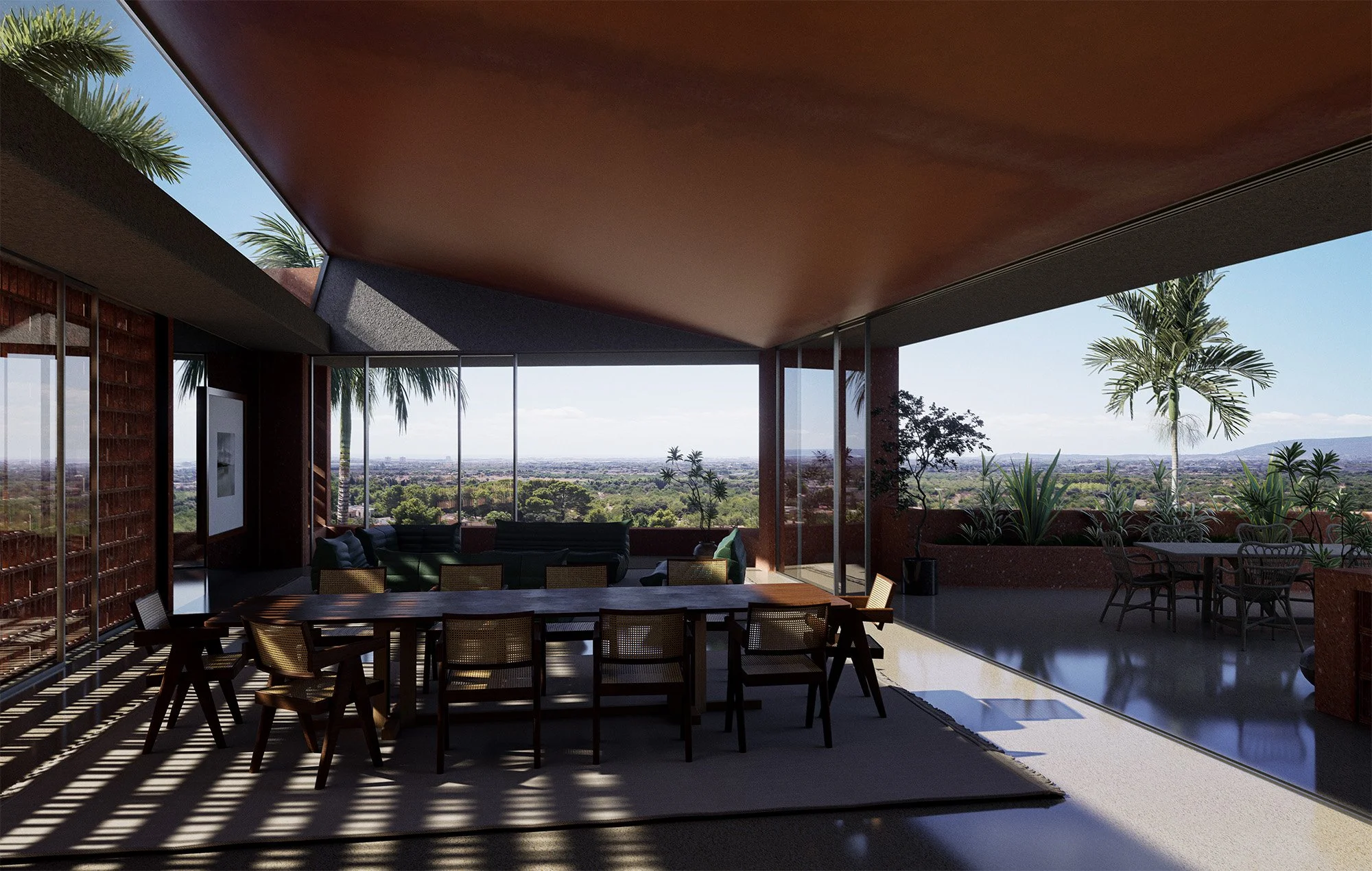
Werle + Wagner - Development Project - OASIS